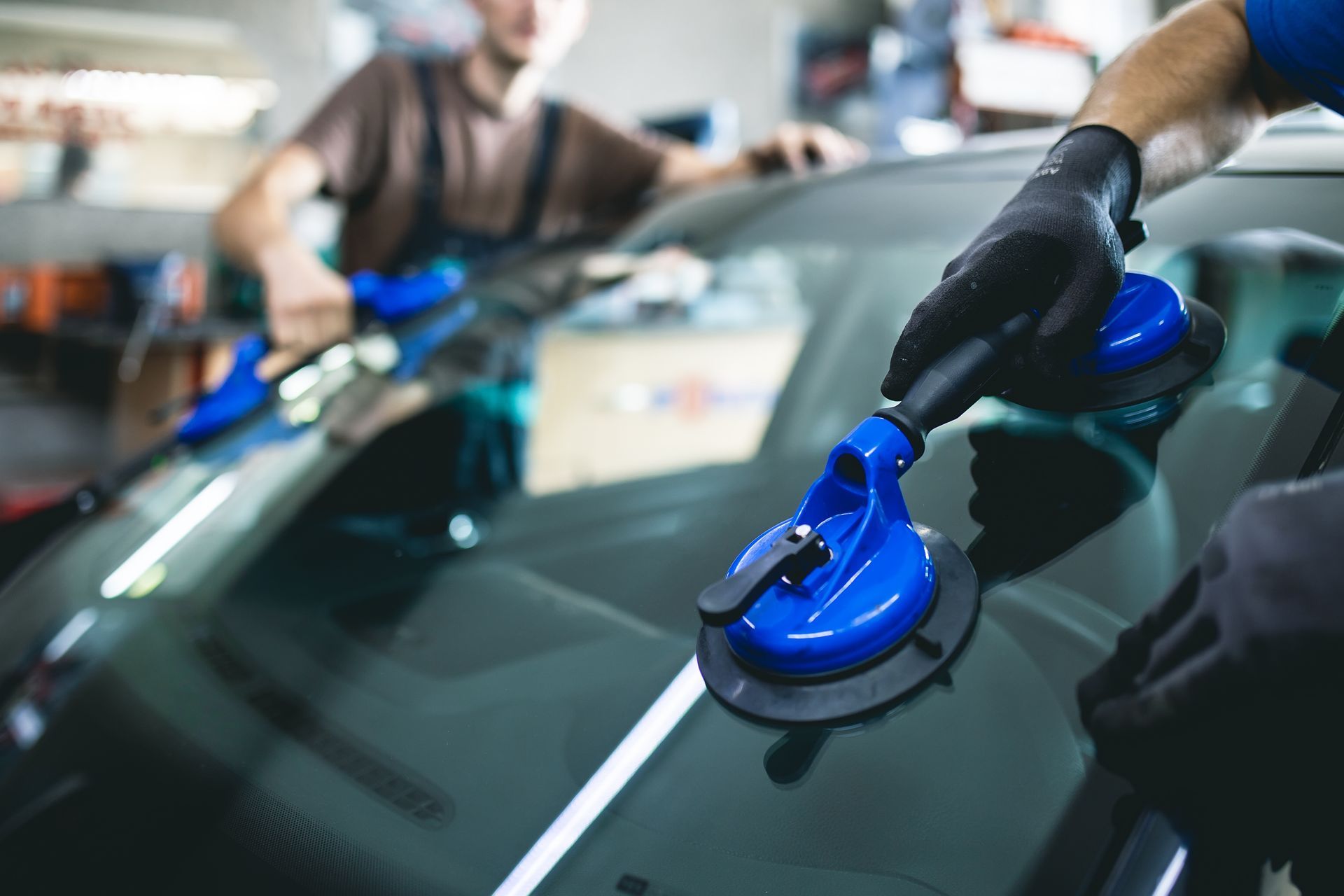
How to Care for Your Newly Repaired Windshield: Cure Time, Car Washes, and Temperature
Proper aftercare following a windshield repair can determine whether the fix holds for years or fails within weeks. This guide explains exactly what to do and what to avoid after your repair is complete, covering resin cure times, car wash rules, temperature risks, and warning signs that something may have gone wrong.
Understanding How Resin Cures After Windshield Repair
Resin cure time is one of the most important factors in a successful repair. During a professional windshield repair, a clear resin is injected into the chip or crack and then hardened using ultraviolet light. This UV curing step typically happens in the shop before you drive away.
Most professional chip repairs are safe to drive on shortly after UV light exposure. However, the resin continues to chemically stabilize and reach its full bond strength over a 24-hour period. Think of it in three stages:
▸ The resin loses tackiness and resists light debris in the early phase.
▸ The structural bond becomes strong enough for normal driving within the first hour or so.
▸ The full molecular bond completes over the following 24 hours, preventing the resin from yellowing or shrinking.
Always follow your technician's specific guidance. Cure times can vary depending on the resin product used, so the instructions from your shop take priority.
What Should You Avoid After a Windshield Repair?
Several common habits can weaken or undo a fresh repair. Knowing what to skip during the first day makes a real difference.
Car Washes and Water Exposure
Avoid taking your car through an automated car wash or exposing the windshield to high-pressure water for at least 24 hours after the repair. High-pressure water can work its way into a bond that has not fully set. Light rain or a gentle rinse is generally not a concern, but aggressive washing should wait.
Slamming Doors and Cabin Pressure
You may not think of door slamming as a windshield issue, but it matters. Closing a door forcefully on a sealed cabin creates a sudden pressure spike inside the car. That pressure pushes against the fresh repair from the inside. For the first day, close doors gently and consider cracking a window slightly to allow pressure to equalize.
Extreme Temperature Changes
Sudden temperature swings are one of the most common causes of repair failure. Blasting a hot defroster on a cold morning, or pouring warm water on a frost-covered windshield, sends thermal shock directly through the glass and the repair zone. Instead, start your defroster on the lowest setting and let the glass warm up gradually over 10 to 15 minutes. Avoid parking in intense direct heat or extreme cold during the first 24 hours when possible. For Chula Vista, CA, drivers, mild coastal temperatures generally help, but summer afternoons in inland areas like Otay Ranch or Eastlake can reach temperatures that stress a fresh repair, so parking in shade is a smart move.
Using Harsh Glass Cleaners Near the Repair
Avoid ammonia-based glass cleaners, including some common window sprays, near the repair area for at least the first few days. These products can leave a film that interferes with the bond. Use a clean microfiber cloth and plain water instead.
How Do You Know If a Windshield Repair Is Holding?
A successful repair stays stable over time. Monitor the repaired area over the first few weeks after your glass repair in Chula Vista, CA, and watch for these signs that something may need attention:
▸ The crack begins spreading or new branches appear from the original damage point.
▸ The repair area develops a hazy or cloudy appearance at the edges.
▸ The repaired zone looks visibly different from how it looked right after the shop returned your vehicle.
▸ Moisture or dirt appears to be trapped inside the chip area.
Even a perfect professional repair may still show a slight visual mark where the chip or crack was. That is normal and does not mean the repair failed. What matters is that the damage has stopped spreading and the glass feels structurally solid.
When Should You Call the Shop?
Call your auto glass shop if you notice any spreading, new cracking, or haze developing within the first 30 days. A reputable shop should be happy to inspect the repair at no charge. Catching a problem early may mean a simple touch-up rather than a full windshield replacement.
Is a Repaired Windshield Safe to Drive On?
A properly completed windshield repair restores structural integrity to the glass and stops damage from spreading. The repaired windshield supports the roof structure of the vehicle and helps maintain proper airbag deployment angles. As long as the repair was performed professionally, the resin cured fully, and aftercare guidelines were followed, the windshield can be considered safe for normal driving.
If damage extends beyond what a repair can address, your technician may recommend replacement. Never delay that conversation if it comes up.
Trust Citywide Auto Glass for Windshield Repair in Chula Vista
When your windshield needs attention, the right shop makes all the difference. Citywide Auto Glass serves drivers throughout the Chula Vista, CA, area and the broader San Diego region, specializing in chip repair, crack repair, and full windshield replacement. Their team can advise you on the exact aftercare your repair requires.
To schedule a windshield repair,
contact us or visit their
windshield repair service page for more information. You can also call
(858) 569-6000 to request a free estimate. Do not wait to have a chip or crack looked at. Small damage that is addressed quickly often needs only a simple repair rather than a costlier replacement later.